
Warehouse Safety & Operational Improvement 5S that delivered more than a tidy workplace.
Using 5S, layout changes and practical engineering improvements to create a safer, more organised and more efficient warehouse.
The project started by looking at how space, stock, equipment and people actually moved through the warehouse.
What looked like housekeeping issues often revealed something bigger: unused storage capacity, unnecessary movements, wasted time, restricted access and avoidable safety risks.
5S became the structure for identifying those losses and turning them into practical improvement actions across storage, layout, access, equipment and everyday working routines.
5S + Continuous Improvement
Warehouse & Production
+60 Spaces
7–10 → 3–5 Daily
Safety · Space · Efficiency
Practical Improvement
Space existed. It just wasn't always being used effectively.
Everyday waste had become normal
The warehouse was functioning, but normal routines contained hidden inefficiencies. Stock positioning, blocked storage locations, searching, unnecessary movements and inconsistent organisation all created small losses that repeated throughout the working day.
01
Underused storage
Available racking capacity could be compromised by the way stock and containers were positioned, leaving usable locations inaccessible while floor space remained occupied.
02
Unnecessary movement
Material was sometimes moved more than once because the right storage space was not immediately available, adding FLT movements and avoidable handling.
03
Searching & waiting
Tools, equipment and materials without clearly defined locations created small delays as people searched for what they needed.
04
Safety & access
Storage, pedestrian access and vehicle movements needed to work together so improvement in capacity did not come at the expense of safe access.
05
Problems hiding in plain sight
Leaks, clutter, inconsistent storage and equipment issues were easier to accept when they formed part of the normal working environment.
What 5S made visible
Waste wasn't only what went into a bin.
The challenge wasn't simply to make the warehouse look better. It was to make wasted space, time, movement and risk easier to see.
5S gave the team a structure for seeing what had become normal.
A practical improvement method
The approach wasn't simply about tidying the warehouse. Each stage of 5S created a different way to challenge the workplace, remove unnecessary activity and make the improved standard easier to maintain.
Sort
Remove unnecessary equipment, materials and clutter so useful space becomes visible again.
Set in Order
Give stock, tools and equipment defined locations that support safer and more efficient work.
Shine
Create cleaner, inspectable working areas where leaks, damage and abnormal conditions are easier to identify.
Standardise
Use layouts, labels, markings and agreed routines to make the improved way of working clear and repeatable.
Sustain
Audit the workspace, assign actions and keep generating improvements rather than allowing standards to drift back.
What this changed
The methodology became visible through practical changes across the warehouse.
The improvement cycle
5S worked because the activity didn't stop after the first clean-up.
5S didn't create the improvements by itself. It created a disciplined way to find them, implement them and keep looking for the next one.
The improvement became visible.
Reorganising the warehouse changed more than appearance. Better use of racking, clearer storage and improved access released capacity and made everyday movement through the workspace simpler.
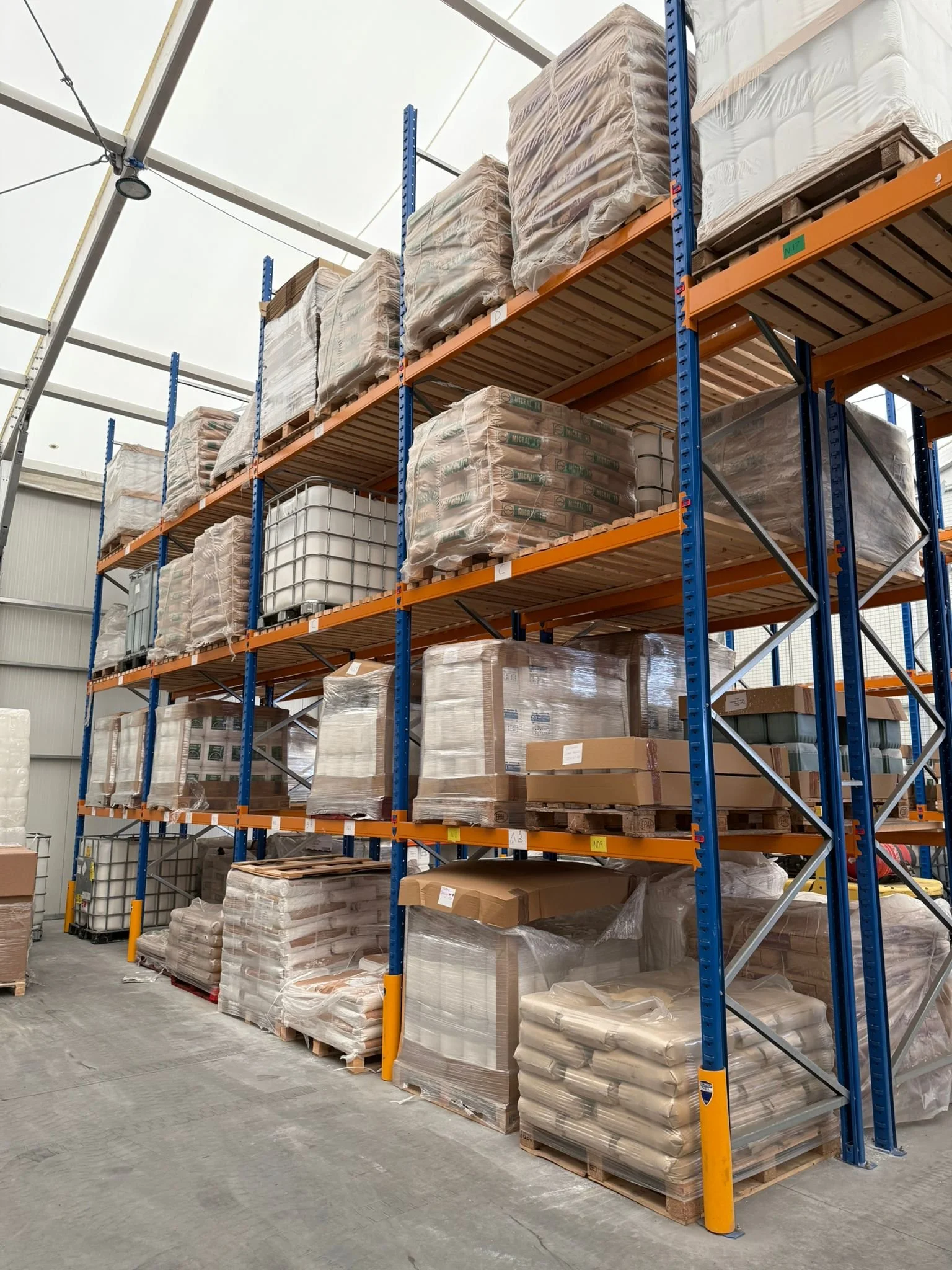
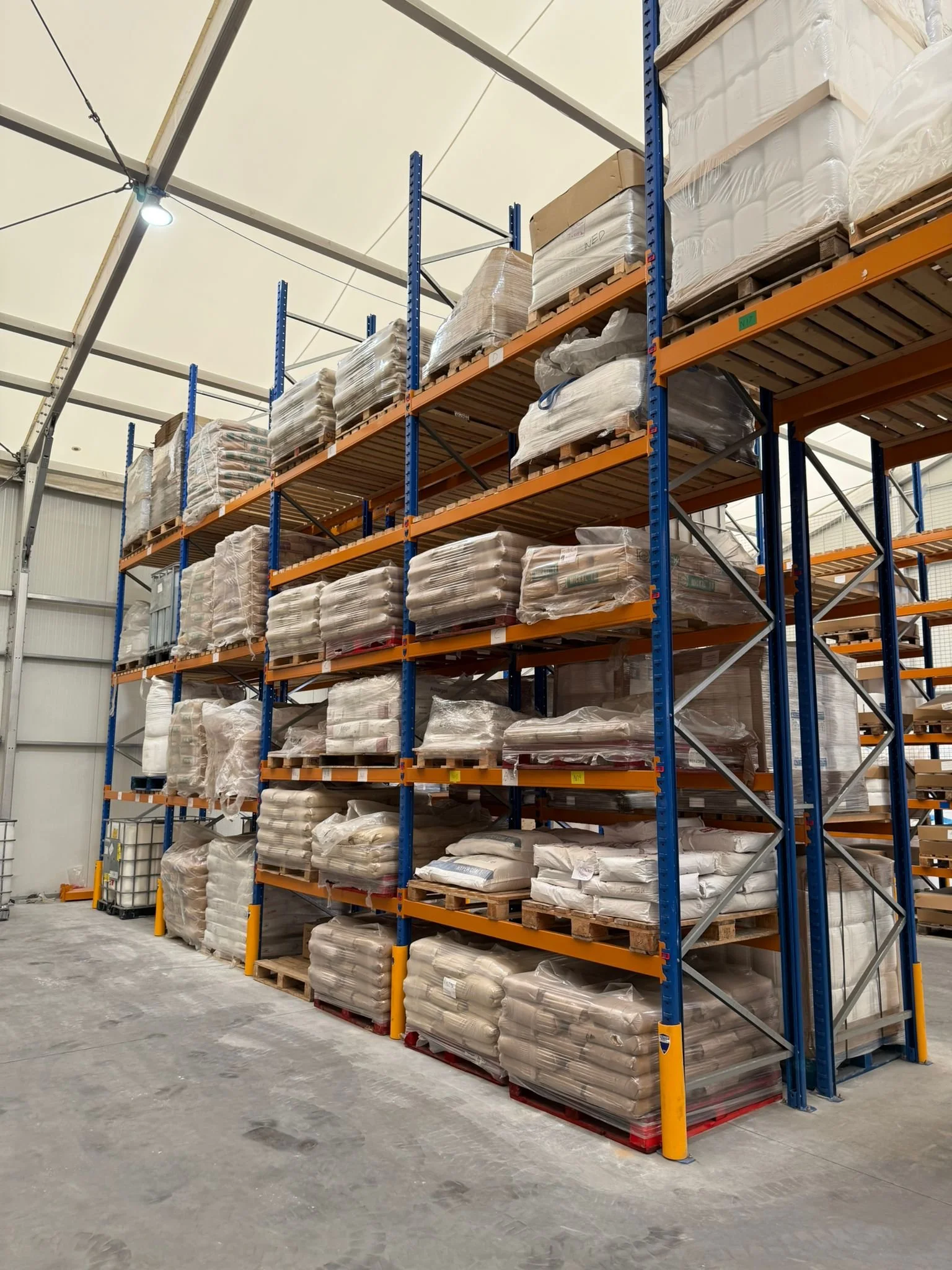
Making better use of the racking.
Storage was reconfigured to use the available warehouse footprint more effectively.
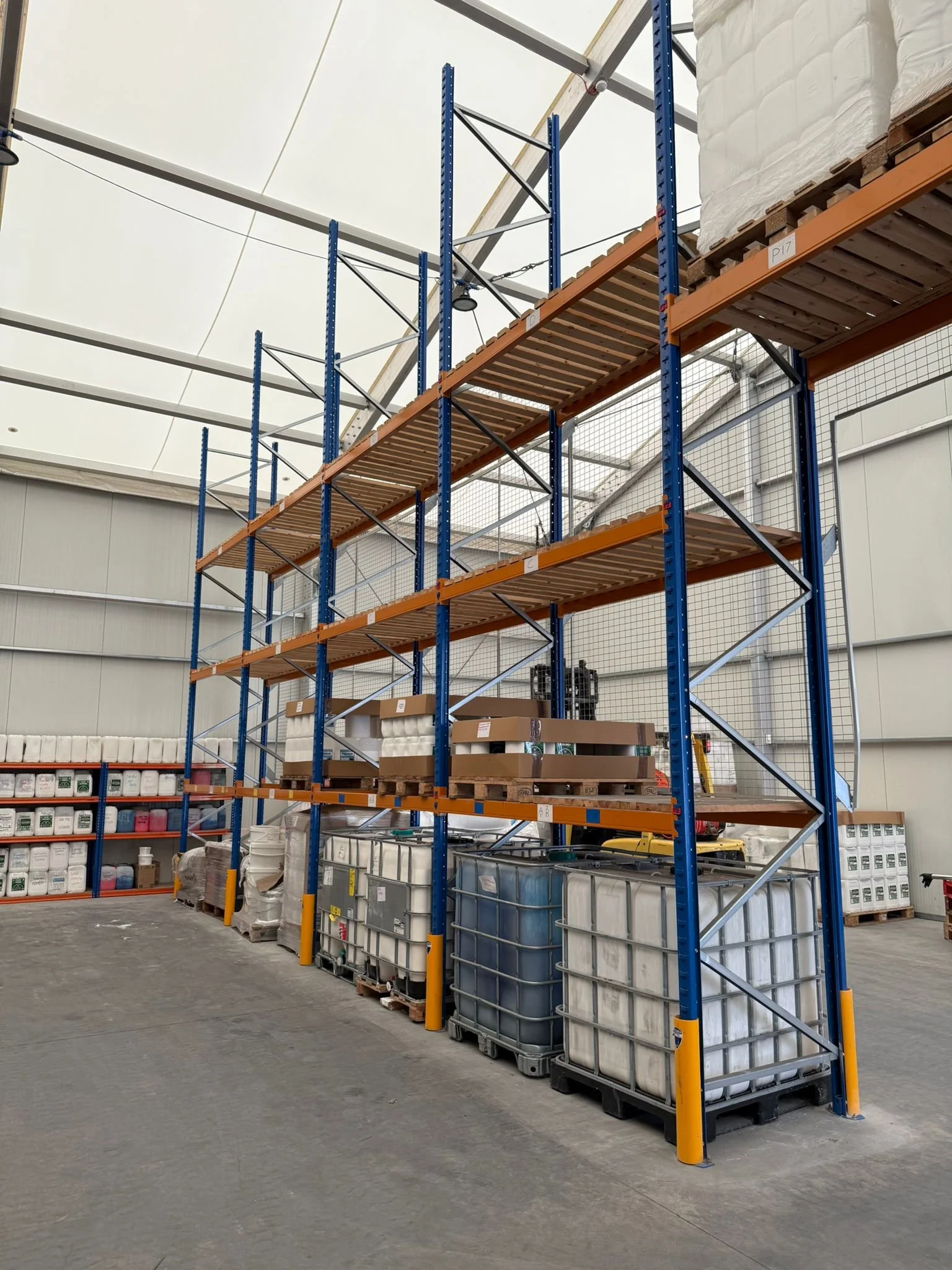
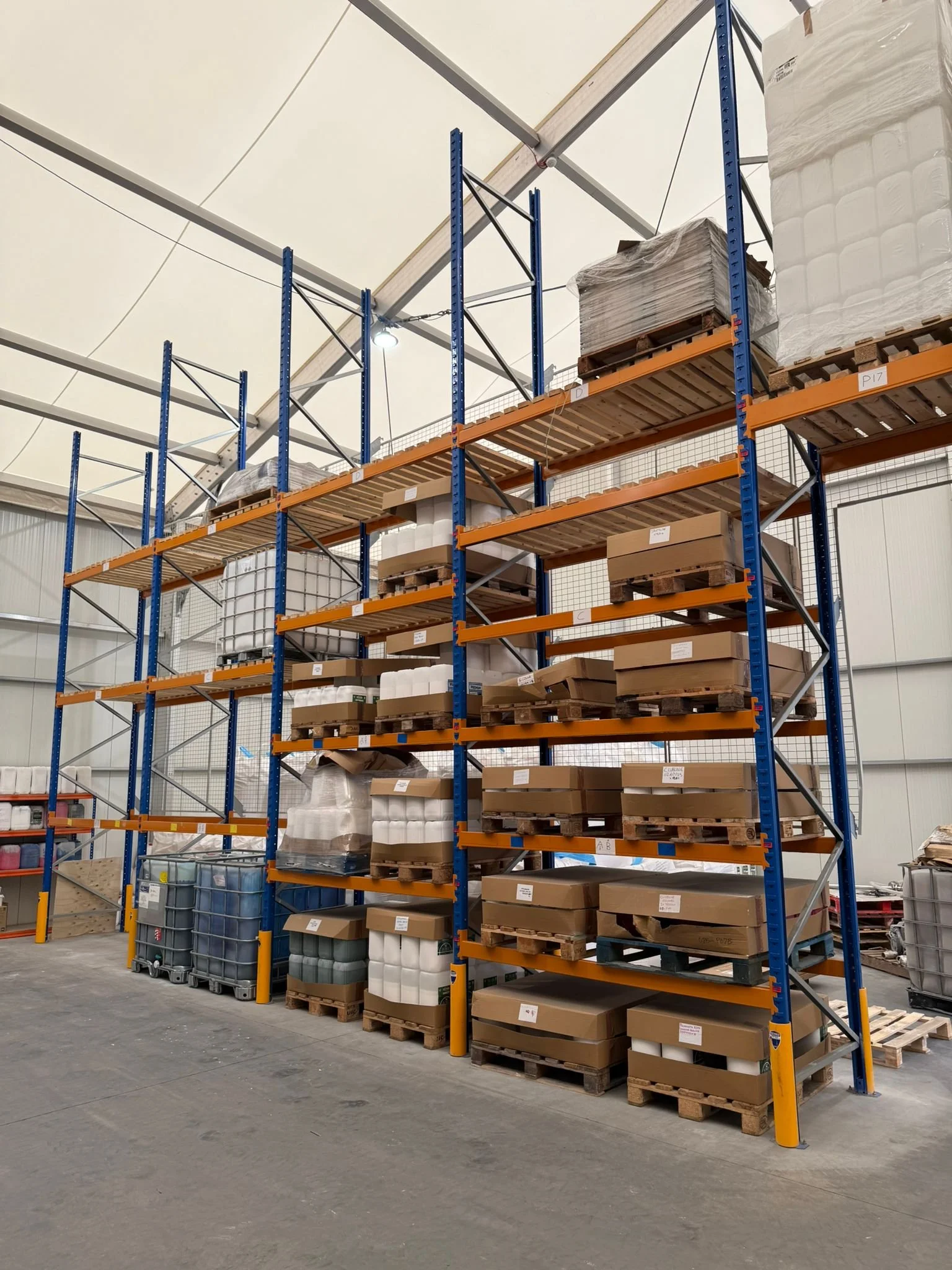
Clearing the floor to create usable space.
Removing unnecessary floor storage helped make rack locations accessible and reduced avoidable handling.
What changed
The photographs show a cleaner layout. The operational result was more usable storage, less unnecessary movement and clearer access.
Small changes started producing measurable operational gains.
Put a number against the waste
One of the benefits of the 5S programme was making everyday inefficiency easier to quantify. Extra movements, searching and poor storage decisions could then be translated into time, capacity and estimated cost rather than remaining general observations.
7–10 → 3–5
Per working day
Better stock organisation reduced unnecessary double movements compared with the previous month.
~10 min
Per day
The reduction in double handling was estimated to remove roughly ten minutes of wasted activity each working day.
£546/yr
From one improvement
The original action plan converted the recorded time saving into an estimated annual labour saving.
+60
Additional spaces
Racking and layout changes created additional usable storage capacity within the warehouse.
Another small improvement
Even organising something as simple as chemical buckets produced a measurable result.
Why small gains matter
Ten minutes here and four minutes there can look insignificant. Repeated every working day, those small losses become capacity, cost and operational efficiency.
The aim wasn't to manufacture impressive savings figures. It was to remove wasted activity wherever the team could see it.
Continuous improvement is often built from small changes.
Find it. Fix it. Keep looking.
Not every 5S action needed to transform the warehouse on its own. The value came from repeatedly identifying wasted movement, poor organisation, leaks and unnecessary effort, then making practical improvements one issue at a time.
01
Defined tool locations
Better organisation reduced time spent searching for equipment while making missing items easier to identify.
02
Bucket storage
Defined storage reduced searching while also removing unnecessary trip and fall hazards from the working area.
03
Leaks became visible
Cleaner work areas made leaking equipment and abnormal conditions easier to identify and feed into maintenance.
04
Product loss became measurable
Material loss could be quantified rather than accepted as part of the process, strengthening the case for preventive maintenance and better control.
7.5 L/day
A small leak becomes significant when it happens every day.
One leaking pipe identified through the improvement activity was estimated to waste around 7.5 litres per day. Quantifying the repeated loss made both the environmental impact and the case for corrective action easier to see.
Continuous improvement
The lesson wasn't that every individual action created a huge saving. Small losses stop being small when they repeat every shift, every day.
5S made everyday waste easier to see. Continuous improvement made doing something about it part of the routine.
Some problems needed organisation. Others needed engineering.
Going beyond 5S
The improvement programme also highlighted issues that could not be solved through housekeeping alone. Storage design, bulk-material containment, access, LEV and noise required physical changes to the working environment.
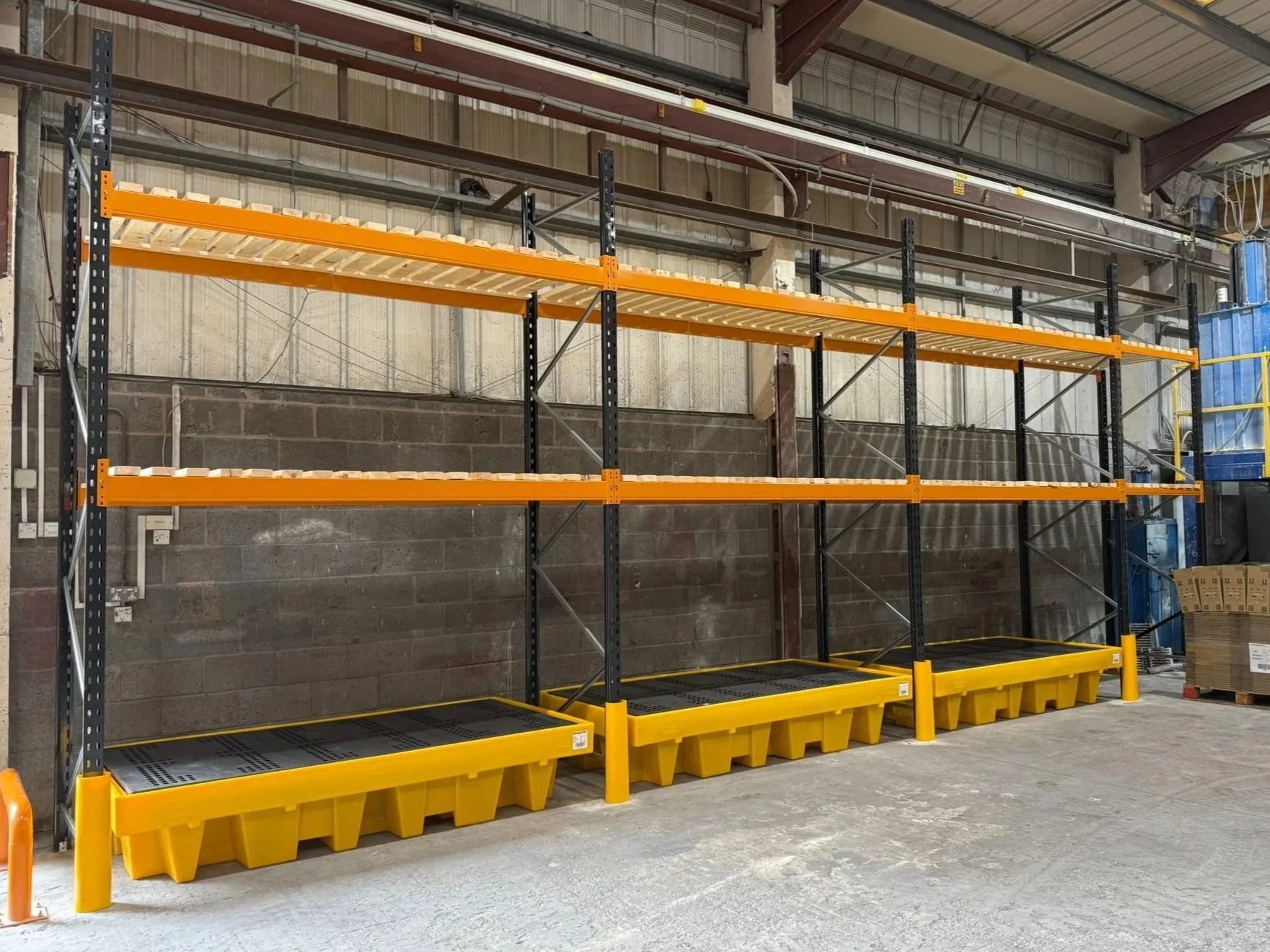
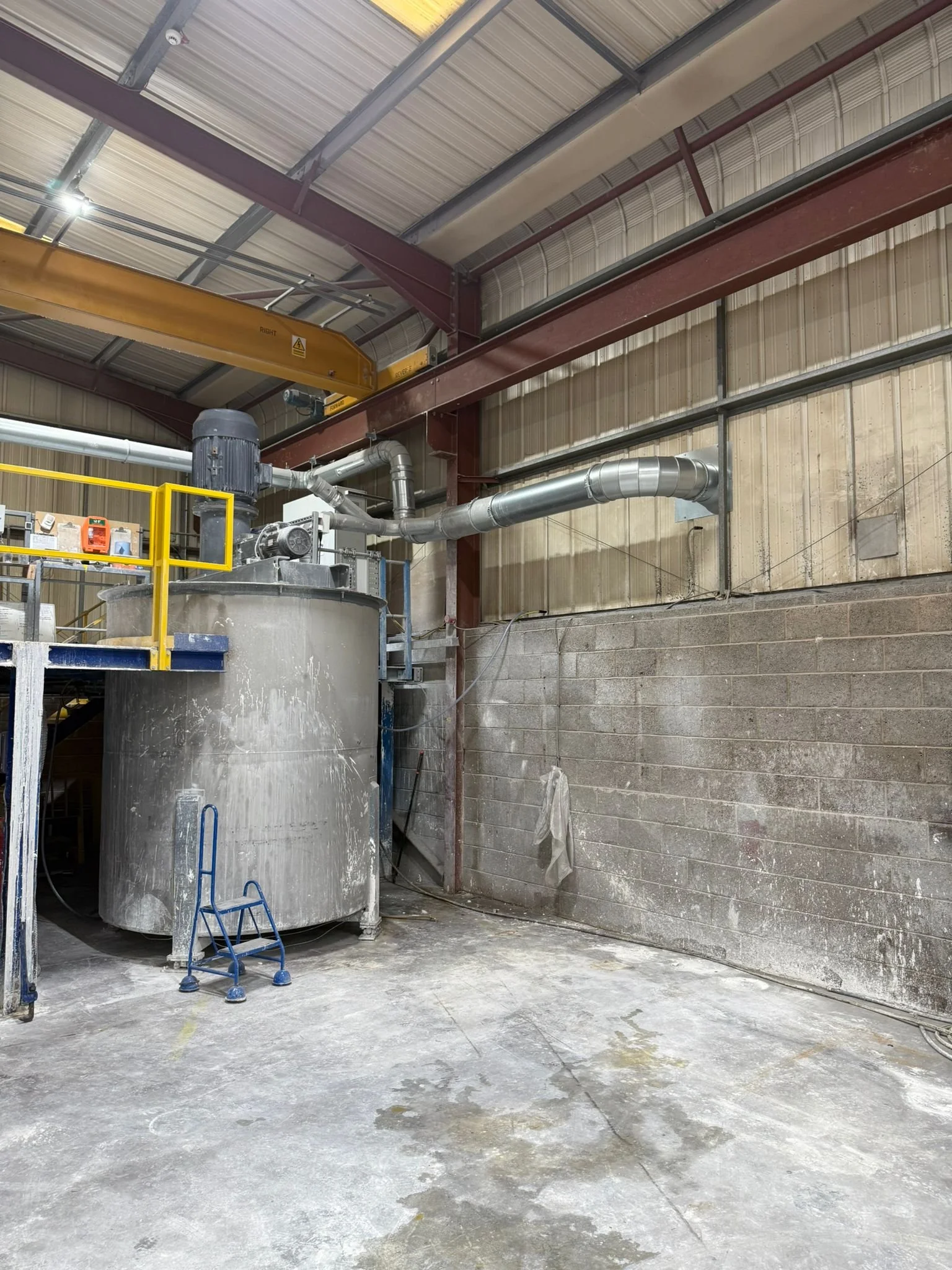
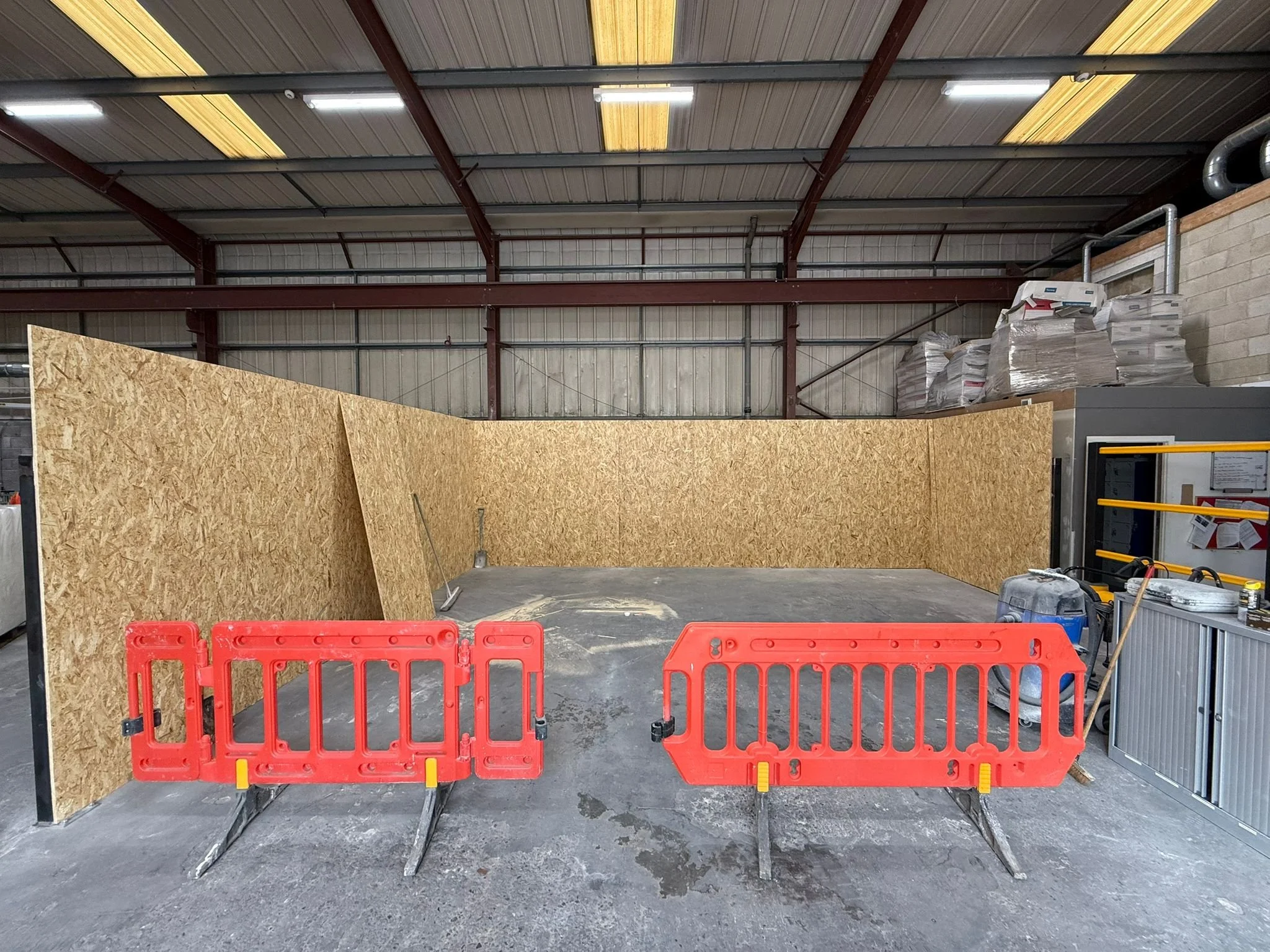
Better use of racking
Racking and storage arrangements were reconfigured to make better use of the warehouse footprint, improving accessibility while increasing usable storage capacity.
LEV & noise
Engineering improvements included changes to extraction and noise controls, addressing workplace conditions that could not be solved through organisation alone.
Safer material storage
Bulk-material storage was improved to create greater physical control around heavy stored materials and reduce the risks associated with the storage area.
<80 dB
Later internal monitoring recorded noise below the 80 dB lower exposure action value at the warehouse locations surveyed under the monitoring conditions.
5S helped identify the problem. The right solution still depended on the risk, whether that meant organisation, maintenance, layout change or engineering control.
The real test of 5S was what happened after the project.
From project to routine
The improvements needed to survive after the initial activity finished. That meant creating repeatable checks, assigning responsibility and giving people a way to raise and progress further improvement ideas.
Train
Introduce the 5S principles so employees understand why organisation, cleanliness and standardisation matter.
Audit
Revisit the working environment regularly rather than assuming improved standards will maintain themselves.
Assign
Give actions clear responsibilities so issues move beyond being observations and have somebody accountable for follow-through.
Improve again
Capture improvement ideas and feed new issues back into the next audit and action cycle.
Making Sustain real
An improvement needed an owner, an action and another check.
5S → 6S
Safety became an explicit sixth pillar.
The later walkaround format expanded the original methodology into Sort, Set in Order, Shine, Standardise, Sustain and Safety, bringing workplace organisation and health & safety checks into one recurring review.
The strongest sign that 5S had worked wasn't the first clean-up. It was that the business kept looking for the next thing to improve.
5S isn't about making a workplace look tidy. It's about making waste visible.
Improvement starts with seeing
The warehouse project demonstrated how workplace organisation can expose much more than poor housekeeping. Unnecessary movements, wasted space, searching, leaks, product loss and safety issues all become easier to address when the working environment makes abnormal conditions visible.
01
Remove what adds no value
Unnecessary stock, equipment and clutter occupy space, create obstacles and make the workplace harder to manage.
02
Give everything a place
Defined locations reduce searching, unnecessary handling and the tendency for temporary storage to become permanent.
03
Reduce unnecessary movement
Layout and storage decisions should support the way people and materials actually move through the operation.
04
Make problems visible
Cleaner, organised workplaces make leaks, damaged equipment, blocked access and abnormal conditions harder to ignore.
05
Use the right control
Some problems need organisation. Others need maintenance, layout redesign or engineering controls such as LEV and physical storage improvements.
06
Keep improving
Audit, assign actions, follow them through and repeat the process. Sustain is what turns a project into a way of working.
The principle
A well-organised workplace isn't the end goal. It's an environment where waste, risk and abnormal conditions are easier to see and easier to act on.
The real outcome
More usable storage. Less unnecessary movement. Safer access. Better engineering controls. And a workforce continuing to identify what should improve next.
5S · Warehouse Improvement · Safety · Operational Efficiency
What is your workplace wasting every day?
A few minutes spent searching, an unnecessary material movement or a poorly used storage location can seem insignificant. Repeated every shift, those small losses affect capacity, cost, safety and the way work gets done.
Find · Fix · Sustain
Identify where time, space, movement, materials and resources are being lost, then turn those observations into practical, owned improvements.