
ISO 14001 Consultants
Environmental management systems built on what your business actually does to the environment - not a template with your logo on it.
From £4,000. Certification-ready in four to eight months.
ISO 14001 changed on 15 April 2026.
If you hold a 2015 certificate, you have until April 2029 to move to the new version. Three years sounds generous, until you remember the transition has to happen inside a scheduled surveillance or recertification audit — and certification body diaries fill up as deadlines approach.
The changes are real but not frightening: climate change is now embedded throughout rather than bolted on, environmental aspects extend to your supply chain in both directions, and there's a new requirement to manage planned change. Most businesses with a working system need a gap review and some documented additions, not a rebuild.
If you're certified and nobody has mentioned this to you yet, that's worth a conversation.
Why businesses call us.
It's almost always a customer or a tender. Someone in procurement has made environmental certification a condition of supply, or a bid has been scored down for not holding it, or a sustainability questionnaire has arrived asking for evidence nobody has ever collected.
The second reason is a certificate that isn't working. Plenty of manufacturers hold ISO 14001 already, implemented cheaply from a template, and discover at surveillance that the legal register hasn't been updated in two years and nobody can explain how the aspects were scored. That's a fixable problem, and usually faster to fix than people fear.
The third, increasingly, is the 2026 transition - a deadline attached to a certificate you already paid for.
What ISO 14001 actually requires
01
Aspects and impacts
A register of how your processes genuinely interact with the environment — energy, waste, emissions, effluent, materials — scored so the significant ones drive what you do next.
02
Compliance obligations
A legal register built around your permits, your waste streams and the substances you store — not a list of every UK regulation, which is the version nobody maintains.
03
Objectives and targets
Numbers tied to things your board already looks at, with someone named against each one and a date. Targets nobody owns are the first thing an auditor finds.
04
Operational control
Procedures for activities carrying real environmental risk, plus emergency preparedness for spills, leaks and loss of containment.
What changed in 2026?
Still have questions?
-
The 2024 climate amendments have been fully absorbed into the standard. You're required to consider whether climate change is relevant to your environmental management system, and to account for climate-related expectations from interested parties. For most manufacturers that means a documented consideration rather than a carbon strategy - but it does have to exist.
-
The lifecycle perspective has been strengthened. Assessing aspects now explicitly extends to your supply chain in both directions, along with biodiversity and access to resources. In practice this means your aspects register can no longer stop at the factory gate.
-
Clause 6.3 introduces a requirement to manage changes to the management system in a planned way - the same requirement ISO 9001 and 45001 already carry. If you've ever changed a process and updated the paperwork six months later, this is the clause that closes that gap.
-
Controls now explicitly cover processes, products and services provided by others. For manufacturers with outsourced treatment, waste contractors or subcontracted processing, that's a real scope change.
-
The standard now follows the same structure as ISO 9001 and 45001, which makes running them as one system materially easier. The guidance annex has also been expanded with worked examples - genuinely useful, and free to read.
The bit most implementations get wrong
The legal register.
It's the single most common failure we see, and the one auditors go to first. A register listing every piece of environmental legislation in the UK looks thorough and is worse than useless - nobody maintains it, nobody reads it, and it tells you nothing about whether you're compliant.
A working register lists the obligations that actually apply to your site: your permits and their conditions, your waste streams and duty of care, the substances you store, the discharges you make. Then it records how you know you're meeting each one, and who checks.
That's a shorter document and a much harder one to fake. It's also the thing that turns a certificate into something useful.
How long it takes
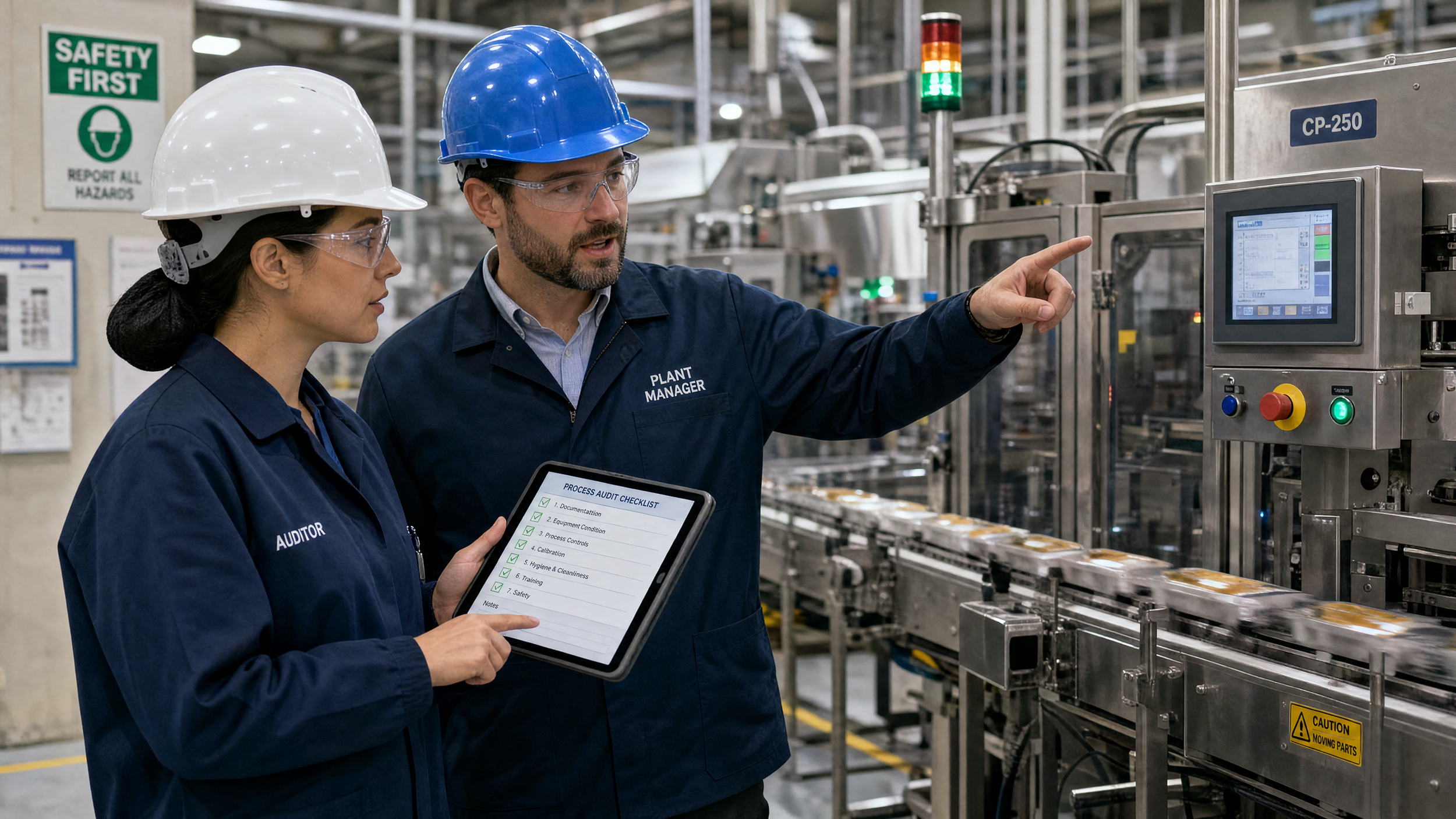

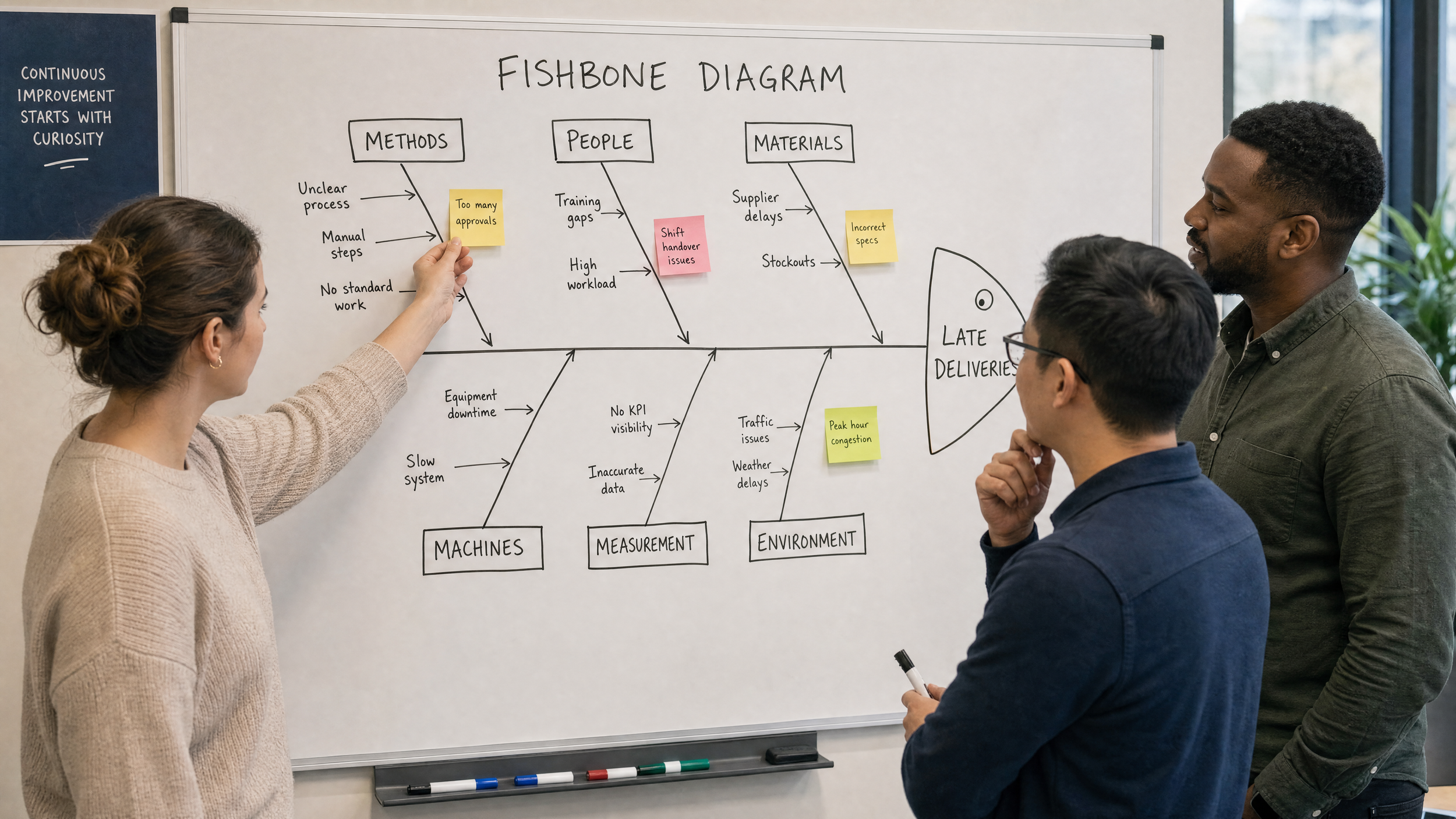

Aspects and impacts, legal register, objectives, operational controls, documented information.
Weeks 1–2 - Gap analysis.Two days on site, a written report, and a fixed quote before you commit to anything.
Weeks 3–10 - Build.Stage 1 and Stage 2 with a UKAS-accredited body, with us on site for both.
Weeks 11–16 - Embed.Internal audit programme, first full cycle run alongside you, management review facilitated.
Weeks 17–20 - Certification.What it costs
£4,000 to £10,000 for ISO 14001 as a single standard, fixed and agreed after the gap analysis.
The gap analysis is £900 standalone and credited against the build if you go ahead. Certification body fees are separate and go to them - typically £4,000 to £9,000 across a three-year cycle.
Transitioning an existing certificate to the 2026 version is a smaller piece - usually a gap review against the new clauses plus documented additions. Quoted after we've seen what you've got.
Where 14001 connects
EcoVadis and customer assessments
Most of what a sustainability assessment asks for already lives inside a working 14001 system. The job is translation, not creation.
Running it with 9001 and 45001
Shared structure means one audit programme and one management review instead of three.
SECR and carbon reporting
If you meet two of three - £36m turnover, £18m balance sheet, 250 staff - you may already have a legal reporting duty.
Frequently Asked Questions
-
No. Your 2015 certificate stays valid through the transition period, which ends in April 2029. But the transition has to be done during a scheduled surveillance or recertification audit, so in practice you're working to your certification body's audit calendar rather than the 2029 date. Most businesses should be planning it into their next two audit cycles.
-
Considerably. Both now use the same Harmonised Structure, so your context, leadership, competence, internal audit and management review clauses are largely shared. What's genuinely new is environmental: aspects and impacts, compliance obligations, emergency preparedness. Adding 14001 to an existing 9001 system typically costs about a third of doing it standalone.
-
Four to eight months for most manufacturers, from gap analysis to certificate. The variables are how much documentation already exists, how much internal resource you can commit, and - often the real constraint - how far out your chosen certification body is booking Stage 2 audits.
-
A policy is a statement. ISO 14001 is a system that has to demonstrate you're acting on it: aspects identified and scored, legal obligations tracked and verified, objectives measured, controls operating, and audits that find things. The certificate is third-party evidence of that, which is why customers ask for it rather than for your policy.
-
Yes, and it's a large part of what we do. Templated implementations usually fail in the same places - a legal register nobody maintains, aspects scored with no logic anyone can explain, and an internal audit programme that confirms everything is fine. Fixing those is normally quicker than starting again, because the raw material is already there.
Whether you're starting from nothing, fixing a system that isn't working, or planning the 2026 transition, twenty minutes on the phone will tell you which it is and roughly what it costs. If ISO 14001 isn't actually what your customer is asking for, we'll say so.