
Responsible business should be more than a statement. Make it something the business actually does.
Practical CSR and responsible-business support for SMEs that want to bring people, environmental, community and ethical commitments into a clearer framework, then measure and communicate the difference those commitments are actually making.
Safety, development, participation, wellbeing and opportunity.
Environment, resources, waste, energy and practical improvement.
Charity, volunteering, partnerships and meaningful community support.
Ethics, suppliers, governance, transparency and responsible decisions.
Don't start by asking what would look good on the website. Start with what matters to the business, its people and the communities around it, then build activity that can genuinely be delivered and measured.
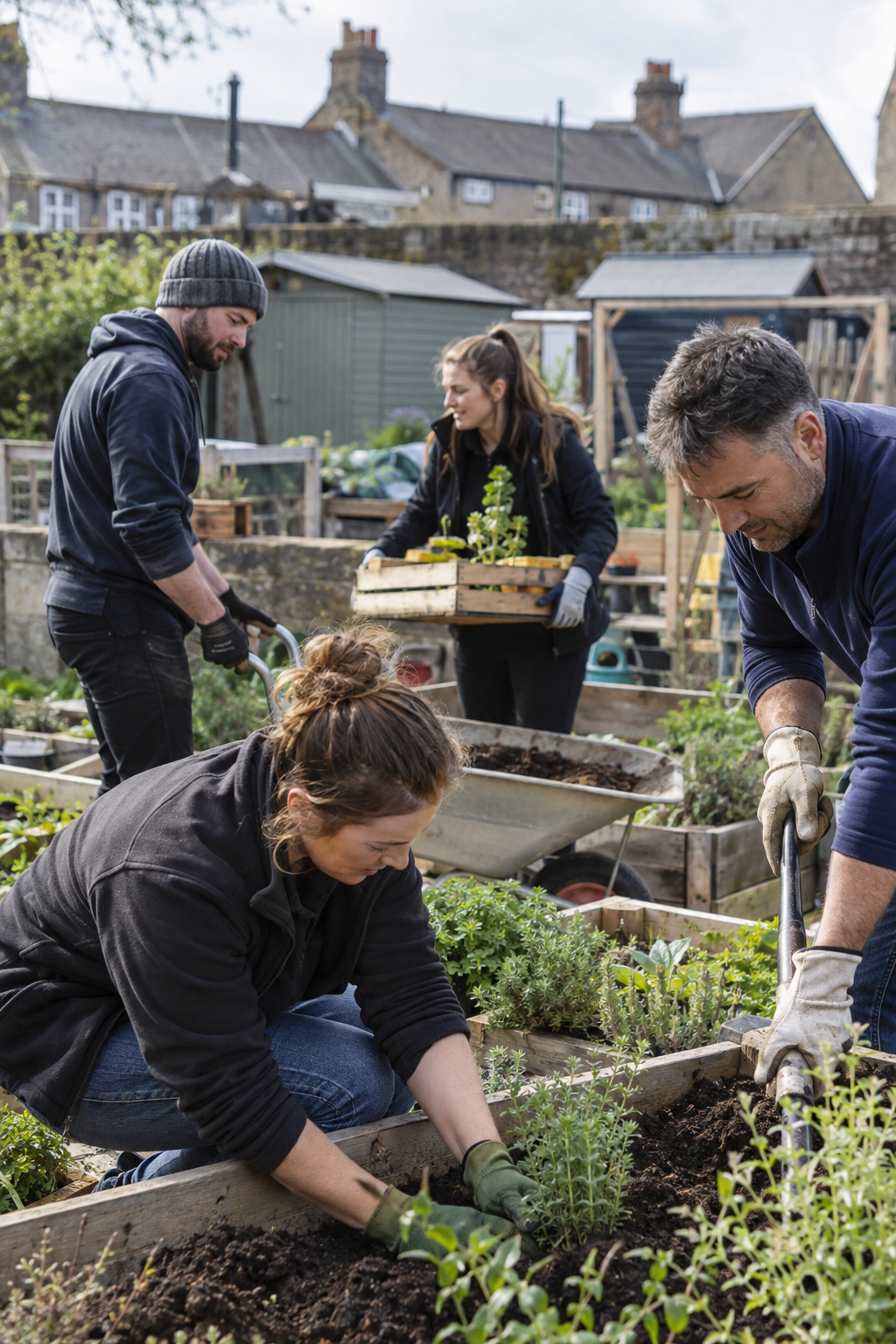
Responsible business is broader than charity.
Charity partnerships and fundraising can be an important part of CSR, but they are only one part of the picture. A rounded responsible-business approach considers how the company treats people, manages its environmental impact, contributes to the community and makes responsible decisions.
People
How does the business support the people within and around it?Responsible business starts with the working environment the organisation controls directly: protecting people, building capability and creating meaningful opportunities to contribute.
Planet
How is the business reducing its environmental impact?Environmental responsibility does not need to begin with a grand net-zero announcement. It can start with understanding resource use, environmental risk and the practical opportunities the business can control.
Community
Where can the business make a meaningful contribution?Charity and community activity becomes more useful when it reflects genuine priorities and relationships rather than a collection of disconnected donations made throughout the year.
Principles
What standards does the business expect of itself?Responsible business also means how decisions are made, how suppliers are treated, how ethical expectations are communicated and whether public claims reflect what the organisation is actually doing.
Charity matters. It just shouldn't carry the whole CSR story.
A strong charity partnership can become an important part of responsible business when the relationship is consistent, meaningful and supported by real participation. But responsible business should also be visible in how the company manages its people, environmental impacts, suppliers and everyday decisions.
Protection, development, opportunity and participation.
Resources, waste, energy and environmental improvement.
Partnerships, volunteering and useful local support.
Ethics, suppliers, ownership and credible communication.
The aim is not to tick every possible CSR box. A better approach is to choose a small number of areas that genuinely fit the business, establish meaningful commitments and build activity that people can actually deliver and improve.
You're probably already doing some of it.
Many SMEs already support charities, train people, reduce waste, improve Health & Safety and contribute locally without calling it CSR. The first job is often to identify that existing activity, understand what is meaningful and bring the strongest parts together.
Charity fundraising
Staff fundraising, company donations, sponsorship or ongoing support for a local or national charity.
Training & development
Qualifications, apprenticeships, professional development, coaching and opportunities to build capability.
Health & Safety improvement
Safer equipment, risk reduction, employee involvement, wellbeing activity and improvements to the working environment.
Waste reduction
Recycling, material reuse, packaging reduction, segregation and process improvements that prevent waste.
Energy improvement
Efficient equipment, lighting upgrades, operating controls, monitoring or practical reductions in energy consumption.
Volunteering
Employees contributing time, skills or practical support to charities, schools, community groups or local projects.
Local employment
Creating opportunities locally through recruitment, apprenticeships, work experience or engagement with education.
Responsible suppliers
Supplier approval, ethical expectations, local purchasing, environmental requirements or responsible sourcing questions.
Ethical policies
Codes of conduct, anti-bribery expectations, responsible AI, whistleblowing, privacy and other governance arrangements.
Don't create more activity just to create a CSR page.
Start by finding the useful things the business already does. Then decide which of those activities genuinely matter, where there are sensible gaps and which priorities deserve more structure, ownership or investment.
Find existing activity before starting another initiative.
Connect activity to a real people, environmental or community need.
Turn informal good intentions into something somebody can maintain.
Keep enough evidence to understand what genuinely changed.
A collection of good things.
Donations, environmental projects, employee activity and policies happen independently, with limited ownership or understanding of the combined impact.
A small number of connected priorities.
The strongest existing activity is organised around clear themes, supported by ownership, objectives and measures, then reviewed and improved.
The first job isn't necessarily creating more activity. It is understanding what already exists, deciding what matters and joining it up into a responsible-business approach the organisation can actually sustain.
Make responsible business manageable.
DBIM helps turn separate good intentions and existing activity into a clearer programme: choose priorities that fit the business, give them ownership, act on them, measure what changed and communicate progress honestly.
Decide what genuinely matters.
Start with the business, its people, environmental impacts and community relationships rather than copying somebody else's CSR plan.
Give the priorities ownership.
Turn worthwhile intentions into clear commitments with realistic objectives, timescales and somebody responsible for moving them forward.
Make something happen.
Put the commitment into practice through useful projects, partnerships and improvements that employees and the business can realistically sustain.
Understand what changed.
Track a small number of useful measures so the company can distinguish activity from genuine progress and understand where effort is working.
Communicate what actually happened.
Turn controlled information into clear updates for employees, customers and stakeholders without turning ambitions into achievements or overstating the impact.
Learn from the year and move forward.
Review what delivered useful impact, what struggled and where next year's responsible-business effort can become more focused or effective.
Does it genuinely matter to the business, people or community?
Can the company realistically influence or improve it?
Will the business know whether anything useful happened?
Can the commitment be maintained rather than disappearing after launch?
Fewer priorities. Better follow-through.
An SME does not need a responsible-business programme covering every conceivable social or environmental issue. A small number of relevant commitments with clear ownership, useful measures and consistent follow-through is far more credible than a long list of promises nobody has time to deliver.
The framework should make responsible business easier to manage, not create another administrative system. DBIM can help build the structure around the activities and priorities that genuinely fit the organisation.
Talk to DBIM →Activity isn't the same as impact.
Money donated, volunteer hours and training attendance can all be useful measures, but they mainly tell you what the business put in or did. A stronger responsible-business story also asks what happened afterwards and whether the activity created a useful result.
What went in?
Resource committed.Money, time, materials, expertise, equipment or business resources.
What did we do?
The intervention.Fundraising, volunteering, training, environmental projects or other action.
Who took part?
Reach and involvement.Employees engaged, people trained, volunteers involved or partners supported.
What changed?
Measurable outcome.Money raised, waste reduced, energy saved, skills gained or another demonstrable result.
Why did it matter?
The wider difference.The useful benefit created for people, the environment, the community or the business.
Count the activity. Understand the outcome.
Not every responsible-business activity needs a complicated impact study. The aim is simply to move beyond counting effort where useful. If the business says something made a difference, it should understand what changed and keep enough evidence to support that claim.
From writing a cheque to understanding the wider contribution.
Financial support, employee time or donated resources.
Events, campaigns, volunteering or practical support.
Number of people participating or volunteer hours contributed.
Funds raised, materials supplied or hours contributed.
Where available, explain what the partner was able to achieve with that support.
From completing a project to showing whether it improved performance.
New equipment, controls, metering or project time.
Lighting, compressed air, machinery or operational improvement.
Teams involved in implementing and maintaining the change.
Compare kWh or other relevant energy data against an appropriate baseline.
Lower resource use, operating cost and environmental impact where demonstrable.
From recording attendance to understanding capability gained.
Funding, trainer time, employee time and learning resources.
Formal training, coaching, qualifications or workplace learning.
Attendance, completion and participation across the programme.
Qualifications, verified competence or demonstrated new capability.
Progression, improved capability or other meaningful workforce outcomes where evidenced.
“We delivered 180 hours of training.”
Useful information, but it tells the reader mainly how much activity took place.
“18 employees completed the programme; 14 demonstrated the required competence.”
Where the records genuinely support it, this gives a clearer picture of participation and the result of the activity.
Don't force an impact claim where the evidence doesn't support one. Inputs and activity are still worth reporting. The important thing is to distinguish clearly between what the business invested, what it did, what result was measured and what wider impact can genuinely be demonstrated.
One page. Updated annually. Evidence behind every figure.
Responsible-business reporting does not need to become a lengthy corporate sustainability report. For many SMEs, a concise annual scorecard can show the priorities, activity, results and next steps clearly enough to be useful.
People
Planet
Community
Responsible Business
Establish the starting point and relevant measures.
Record the projects, involvement and work completed.
Review what the evidence shows actually changed.
Set the next realistic improvement objective.
The scorecard is the summary, not the evidence itself.
Each material figure should be traceable back to something reliable. That might be energy invoices, waste reports, training records, fundraising totals, volunteer logs, supplier reviews or completed improvement actions. The scorecard brings the information together without pretending the single page is the entire management system.
DBIM can help define the measures, establish the evidence structure and produce a concise annual responsible-business scorecard suitable for management review, customer conversations, tender evidence and proportionate website communication.
The scorecard should get better because the activity gets better, not because the design gets more impressive. Keep the measures relevant, retain the evidence behind them and use each annual review to decide where the next year's effort will have the most value.
CSR, ESG and EcoVadis aren't the same thing.
The three overlap because they draw on many of the same responsible-business arrangements, but they serve different purposes. The aim is not to build three separate systems. It is to create stronger foundations and use them appropriately for each need.
CSR & Responsible Business
What are we choosing to do as a responsible business?This is where the organisation defines the people, environmental, community and ethical priorities it wants to act on and improve.
Sustainability & ESG
How is responsible-business performance governed and measured?ESG gives the wider environmental, social and governance activity more structure through priorities, ownership, measures, evidence and management oversight.
EcoVadis Assessment Support
How can relevant arrangements and evidence support the assessment?EcoVadis provides a specific external assessment context. Relevant parts of the company's sustainability management system and evidence can support the response where they genuinely apply.
An energy-reduction project is still one project.
Under CSR, the project can demonstrate practical environmental responsibility. Within ESG, the energy data, objective, ownership and performance can form part of environmental management information. Where relevant to an EcoVadis assessment, the underlying policy, action and results may also contribute to the evidence base.
The same genuine business activity can legitimately support different responsible-business needs when used in the right context. The answer is not three versions of the same policy, KPI or improvement project. It is one controlled source of information used appropriately.
Choose the service according to the outcome you actually need. CSR helps organise responsible-business commitments and impact, ESG provides the wider management structure, and EcoVadis support focuses on preparing and improving within a specific external assessment.
Tell the story. Don't overstate it.
Responsible-business communication works best when it is specific, proportionate and supported by evidence. Say what the business actually did, explain what changed and be equally clear about what is still being worked on.
Be specific.
What did the business actually do?Describe the project, commitment or activity rather than relying on broad statements about being responsible, sustainable or socially conscious.
Know how you know.
What supports the statement?Keep the record behind material figures and claims so communication reflects something the business can explain and demonstrate.
Distinguish action from outcome.
What genuinely changed?Do not turn an activity into an impact claim unless the evidence supports that conclusion. Report the level the business can genuinely demonstrate.
Leave room to improve.
What still needs work?Credible reporting can acknowledge gaps and future priorities. Responsible business does not require pretending every issue has already been solved.
“We are an environmentally friendly business committed to protecting the planet.”
“This year we completed targeted energy and waste-reduction projects across our operation. We monitor the resulting performance and use the findings to set the next improvement priorities.”
“We make a positive difference in our local community.”
“Our charity partnership included employee fundraising, company support and practical involvement during the year. We report the contribution made and, where available, the outcome shared by our charity partner.”
“Our people are at the heart of everything we do.”
“We invest in workplace safety, competence and development, and review participation and improvement measures annually. Our next priority is to strengthen employee involvement in the programme.”
Green claims need particular care.
Broad claims such as “green”, “environmentally friendly” or “good for the planet” can imply much more than a single improvement project proves. Environmental communication should make the basis and limits of the claim clear and retain appropriate evidence behind objective statements.
Say what happened. Show the evidence. Be honest about what comes next. Responsible-business communication does not need to make the company sound perfect. It needs to give customers, employees and stakeholders a fair picture of the work being done and the progress that can genuinely be demonstrated.
Doing good things already? Let's make them more joined up.
You do not need to invent a CSR programme from scratch. Start with the people, environmental, community and responsible-business activity already happening and build a clearer framework around the parts that genuinely matter. DBIM can help turn that activity into priorities, measures, evidence and a practical plan for improvement.
Bring what you're already doing.
The first conversation does not need a finished CSR strategy. We can start by looking at the activity already happening, the priorities that matter to the business and where a little more structure would add value.
Responsible business should create something useful before it creates something marketable. Build the activity around genuine priorities, understand the result and let the communication follow from what the business can actually demonstrate.