
The risk doesn't stop when the vehicle leaves the yard.
DBIM supports transport and logistics businesses managing drivers, vehicles, journeys, loads and delivery pressure. The aim is to build controls that work both at the depot and when people are operating miles away from direct supervision.
Don't just manage the driver. Manage the system around the driver.
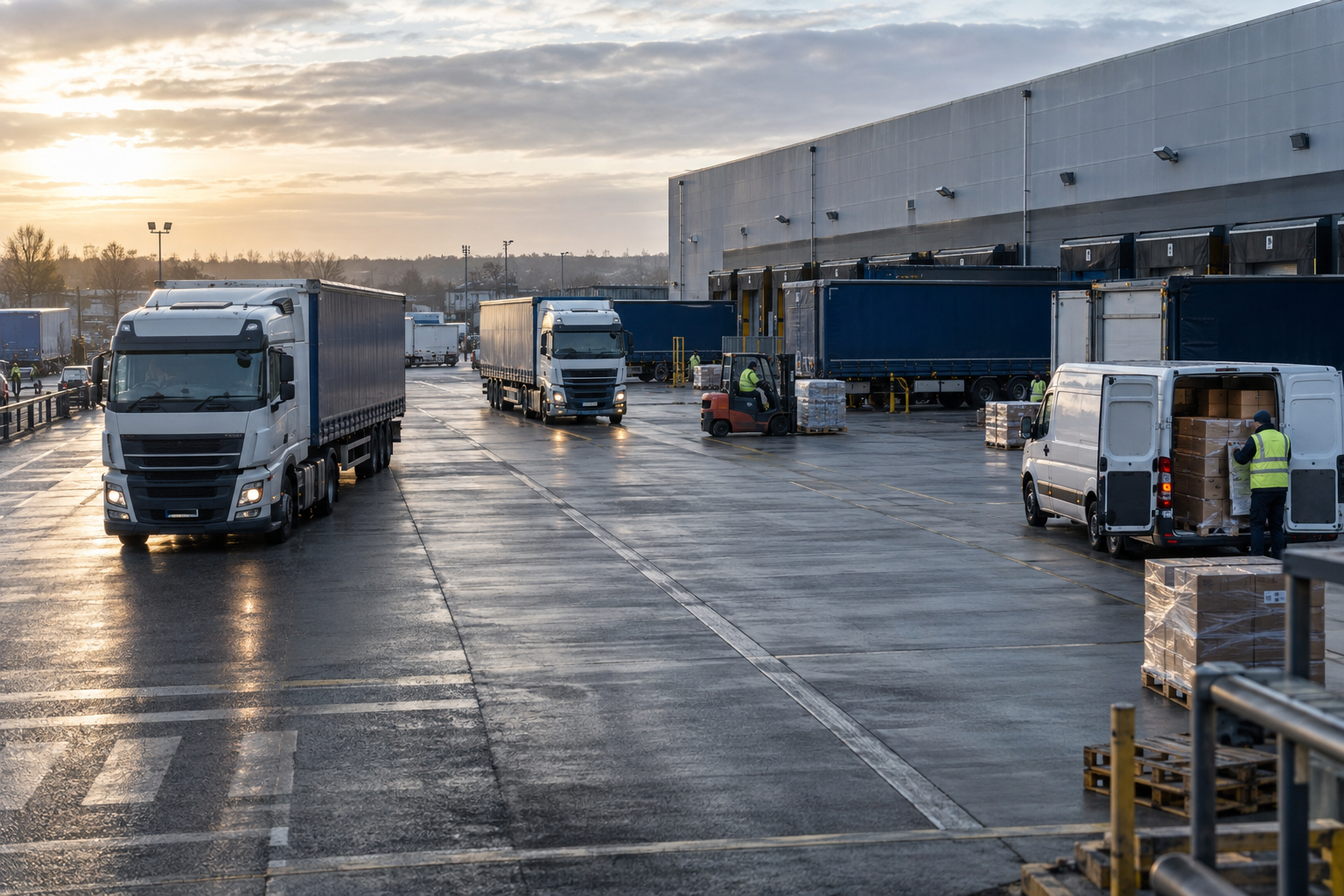
Every journey starts long before the engine does.
Road risk isn't created only by what happens behind the wheel. The schedule, route, vehicle, load, delivery location and expectations placed on the driver all influence what happens once the journey begins. Good transport safety manages the whole system.
Route, timings, weather, breaks, delivery windows and foreseeable journey risks.
Driver fitness, vehicle condition, load, checks, defects and information.
Driving behaviour, fatigue, distraction, changing conditions and decisions away from direct supervision.
Access, manoeuvring, unloading, unfamiliar sites, pedestrians and the return journey.
Licences, training, experience, behaviour and understanding of the work being undertaken.
Hours, breaks, sleep, health, workload and whether schedules create unnecessary pressure.
Suitability, daily checks, defects, tyres, maintenance and safety-critical equipment.
Weight, stability, restraint, loading arrangements, unloading and changes during the journey.
Unfamiliar layouts, reversing, pedestrians, access restrictions and unloading conditions.
Unrealistic schedules, congestion, delays and the pressure to recover lost time safely.
The driver is the last link in a much longer chain. If the route, schedule, vehicle, load or expectations are wrong, telling somebody to “drive safely” doesn't fix the system around them.
Safe journey.
Safe driver.
Safe vehicle.
Driving for work needs the same management discipline as risk inside a fixed workplace. That means looking beyond the person behind the wheel and asking whether the journey, driver and vehicle have all been set up to operate safely.
Safe journey.
Route, distance, delivery windows, traffic, weather and suitable places to take breaks.
Schedules shouldn't depend on drivers recovering unavoidable delays by cutting corners later.
Give drivers enough information and flexibility to respond safely when conditions don't match the plan.
Safe driver.
Appropriate licence, experience, training and understanding of the vehicle and work.
Health, eyesight, medication, fatigue and anything else that could affect safe driving.
Drivers can report problems, delays and fatigue without the system quietly encouraging unsafe decisions.
Safe vehicle.
The vehicle should fit the work, load, route and conditions it is expected to operate in.
Drivers carry out meaningful checks and have a clear process for reporting defects.
Defects are acted on and planned maintenance keeps the vehicle safe between statutory tests.
Fatigue is a management issue as well as a driver issue. Working hours, long or monotonous journeys, shift patterns and schedules can all influence whether somebody is fit to drive safely.
A policy telling drivers to drive safely isn't enough. The business needs to give people a safe journey to complete, a safe vehicle to complete it in and working arrangements that allow the driver to make safe decisions.
Some of the highest-risk moments happen before the vehicle gets very far.
Yards, loading bays and delivery locations bring people, vehicles, loads and different businesses together. Good control means thinking about the whole movement, not just the drive between A and B.
Arrive
Drivers know where to go, where to report and what site rules apply before entering unfamiliar operational areas.
Position
Manoeuvring, reversing and parking arrangements keep unnecessary pedestrian interaction to a minimum.
Load
Vehicles are stable, loading equipment is suitable and only the people needed for the task remain in the work area.
Secure
The load is distributed, restrained and checked so it remains stable during braking, steering and normal road movements.
Deliver
Unloading arrangements account for the load, equipment, unfamiliar site conditions and people at the destination.
Depart
Loading equipment is clear, doors and restraints are dealt with, the vehicle is ready to move and departure is communicated safely.
The load has to stay safe for the whole journey.
Load security isn't solely a driver issue. The people planning, loading, managing and transporting the goods all influence whether the load can travel and be unloaded safely.
Haulier and customer arrangements need to meet in the middle. Site access, waiting areas, unloading responsibilities, equipment and communication should be understood before somebody is left trying to work it out beside a vehicle.
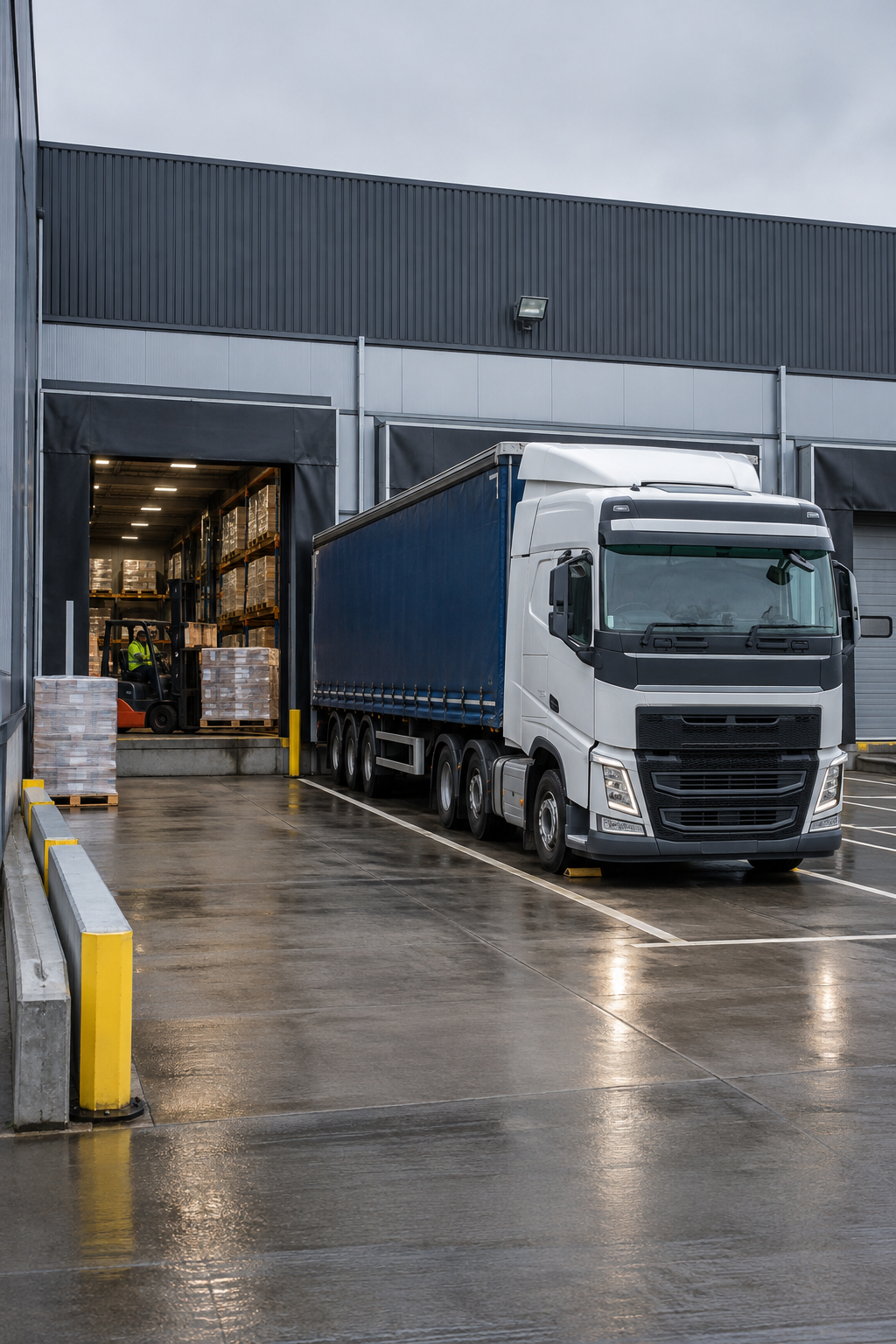
Support for the road, the depot and the system behind both.
A vehicle incident might start with a driver, but the underlying issue could sit in scheduling, maintenance, competence, loading arrangements or management systems.
DBIM can support the individual issue or step back and strengthen the wider QHSE system around it.
Match the support to the problem. No unnecessary consultancy and no one-size-fits-all package.
Health & Safety
Operational controlPractical support around driving for work, yards, loading, incidents, risk assessment and the arrangements that sit behind safe transport operations.
ISO Systems
One way of workingBuild or improve ISO 9001, ISO 14001 and ISO 45001 around the transport operation without creating three separate systems for people to manage.
Environment
Reduce the impactUnderstand and improve the environmental impact associated with mileage, fuel, fleet choices, energy, waste, purchasing and wider logistics activity.
Fractional QHSE
Ongoing capabilityAdd QHSE leadership and implementation capacity without immediately recruiting another full-time senior role.
For smaller transport businesses managing H&S internally, the Advice Line provides ongoing access to competent advice plus an annual Health & Safety Health Check without committing to hands-on consultancy every month.
And where specialist transport expertise is needed, we'll say so. Operator licensing, specialist vehicle engineering, tachograph matters and other technical disciplines can require dedicated expertise. Good QHSE advice includes recognising those boundaries.
Safety and efficiency shouldn't be competing objectives.
The things that create transport risk often create operational waste too. Poor planning, unreliable vehicles, damaged loads and repeated incidents all affect people, service, cost and environmental performance.
Improve the system and several numbers can move at once.
Better planning, stronger defect management, fewer incidents and more controlled operations can improve more than safety. They can reduce disruption, waste, mileage and avoidable cost at the same time.
Your transport team doesn't need three separate management systems. It needs one clear way of planning work, controlling risk, managing problems and improving performance that can satisfy Quality, Environmental and Health & Safety requirements together.
The policy says one thing. Pressure tests what really matters.
Culture shows up when a vehicle has a defect, a delivery is late or a driver is tired and somebody has to decide what happens next. The important question is whether the system supports the safe decision when that decision is inconvenient.
The standard on paper.
Unsafe vehicles shouldn't continue operating.
Drivers should remain fit and alert throughout the journey.
Loads should remain safe throughout transport and unloading.
Problems should become opportunities to learn and improve.
The decision in real life.
Delivery pressure quietly becomes part of the defect decision.
Breaks begin to feel like lost productivity rather than a control.
Familiarity and short journeys start weakening the normal standard.
Near misses disappear instead of helping the business learn.
Make the safe decision easier to make.
Culture improves when expectations, planning and management behaviour reinforce the standard rather than contradict it. Drivers shouldn't have to choose between doing the job safely and feeling like they've let the operation down.
Culture isn't another transport policy. It is the combined effect of planning, leadership, supervision, reporting, competence and the decisions people see the business make when safety and delivery pressure come into conflict.
You might recognise your operation here.
DBIM is particularly well suited to transport and logistics businesses where QHSE matters, but responsibility is spread across operations, fleet, transport and management rather than sitting inside a large dedicated QHSE department.
Drivers, fleet condition, routes and delivery activity create day-to-day operational risk.
Drivers regularly need to make sensible decisions without a manager standing beside them.
Delays, customer commitments and operational pressure can challenge even well-designed arrangements.
Transport, Fleet or Operations management may also carry responsibility for wider health and safety arrangements.
More vehicles, customers, depots or people have increased the complexity faster than the management system developed.
Operational thinking, not textbook consultancy.
DBIM comes from an operational QHSE background. That means understanding that the answer has to work around people, customers, vehicles, deadlines and commercial reality without lowering the standard you're trying to achieve.
Small and mid-sized operational businesses that need capable QHSE support without unnecessary complexity. The risk profile and support required matter more than an arbitrary employee or vehicle-count cut-off.
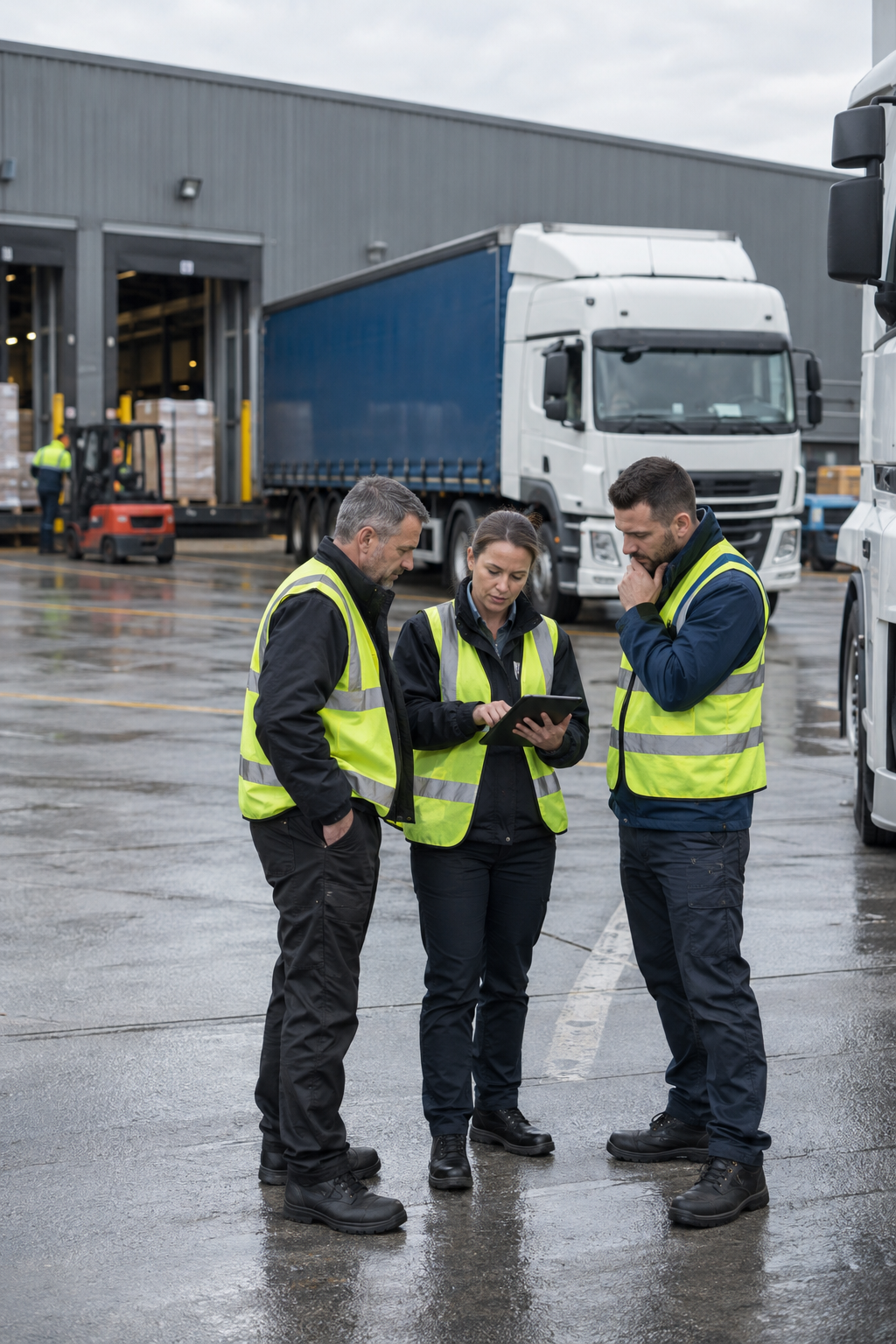
What's happening in your operation right now?
Don't start by choosing a consultancy package. Start with what isn't working, what you're worried about or what the business needs to achieve next.
“We're not sure where our transport H&S gaps are.”
You want an independent view of the arrangements, priorities and where improvement effort should go first.
“We manage H&S, but sometimes need competent advice.”
The day-to-day is handled internally, but questions still arise where an experienced second opinion would help.
“We've had too many vehicle incidents or near misses.”
You need to look beyond individual driver behaviour and understand the wider pattern behind what's happening.
“The operation has grown faster than the systems.”
More vehicles, customers, routes or people have increased complexity and the QHSE arrangements need catching up.
“We need ISO certification.”
A customer, tender or business objective means you need ISO 9001, ISO 14001, ISO 45001 or an integrated system.
“We need more capability, but not another full-time hire.”
The business needs ongoing QHSE leadership, implementation capacity or somebody to help keep improvement moving.
That's probably a good reason to talk.
You don't need to diagnose the problem before contacting DBIM. Tell us what you're seeing in the operation. We'll ask the questions, suggest a sensible starting point and tell you honestly when another specialist would be more appropriate.
Tell us where the pressure is in your operation.
Drivers. Vehicles. Loading operations. Delivery schedules. Incidents. ISO systems. Or simply the feeling that the operation has moved faster than the controls around it.
What's happening?
What's causing concern?
What's repeatedly going wrong?
What does the business need to improve?
Or simply: “Can you take a look at this?”
We'll ask the questions and work out the sensible next step. If that isn't DBIM, we'll tell you that too.
No hard sell